Every community has something no planning report, satellite image or desktop assessment can fully capture—local knowledge.
It comes from generations of people who have worked the land, raised families, operated businesses and cared for their communities. It is built through experience, observation and an understanding of how a region changes through the seasons, not just what appears on a map.
Knowledge Earned Over Time
Local knowledge cannot be measured in hectares or megawatts. It is gained through decades of living and working in the same place.
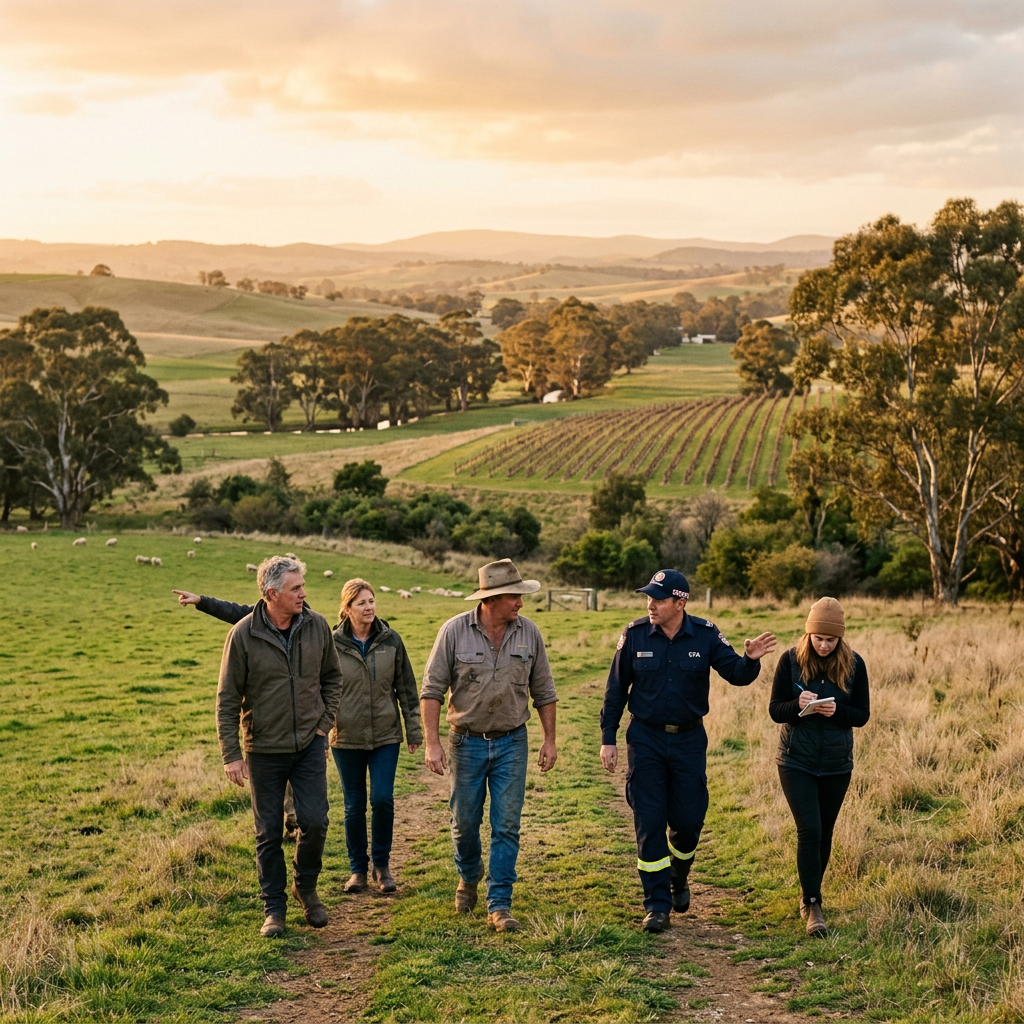
Farmers understand which paddocks remain wet after heavy rain. CFA volunteers know how fire moves through local landscapes. Landholders understand soil conditions, drainage, stock movement and seasonal changes. Business owners know how visitors travel through the region and what keeps local economies strong.
This knowledge is invaluable when planning major developments.
Communities See What Reports Cannot
Technical reports provide important information, but they cannot replace lived experience.
People who live in North East Country understand:
- How local roads cope during harvest and peak tourist seasons.
- Where floodwaters naturally flow after heavy rainfall.
- How bushfires have historically moved across the landscape.
- Which areas support important wildlife corridors.
- Where productive farmland has supported families for generations.
- How local businesses depend on farming, tourism and regional visitors.
- The unique character that makes each community different.
Planning Should Listen First
Effective planning is not simply about collecting public submissions after a proposal has been developed.
It begins by listening to the people who know the region best.
Communities should be engaged early, provided with clear information and given genuine opportunities to influence outcomes before major decisions are made.
Respecting Local Experience
Regional communities are not opposed to progress. Throughout history they have embraced new technology, improved farming practices and adapted to changing industries.
What communities ask for is simple—respect.
Respect for the knowledge built through generations of living and working on the land. Respect for local businesses, farming families and volunteers who understand the opportunities and challenges unique to their region.
Building Better Decisions
When governments, developers and communities work together, planning outcomes are stronger.
Good decisions are based on:
- Independent evidence.
- Scientific research.
- Transparent planning processes.
- Local knowledge and experience.
- Meaningful community consultation.
- Long-term thinking.
None of these should replace the others. The best outcomes occur when they work together.
Our Position
Fair Go for North East Country believes local knowledge should be recognised as an essential part of every major planning decision.
We support planning that:
- Listens to local communities from the beginning.
- Values the experience of farmers, landholders and residents.
- Recognises the knowledge of emergency services and local organisations.
- Uses independent evidence alongside local understanding.
- Improves projects through genuine consultation.
- Builds trust through transparency and respect.
The Future Starts with Listening
The people who know North East Country best are those who live here, work here and care for this landscape every day.
Good planning is not achieved by choosing between expert advice and local knowledge—it is achieved by bringing both together.
When communities are genuinely heard, decisions are better informed, more balanced and more likely to stand the test of time.
Fair Go for North East Country believes strong communities begin with listening. Local knowledge is one of our region's greatest assets and deserves a meaningful place in every decision that shapes the future of North East Victoria.